Kategorien durchsuchen
Deutsch
$
USD
Deine KI mit Fiverr verbinden

3D clothing design
Kompetenzen
Meine Dienstleistungen

3D Fashion and Clothing Designer
Hawthorn Design
Aug 2022 - Jul 2024 • 1 yr 11 mos
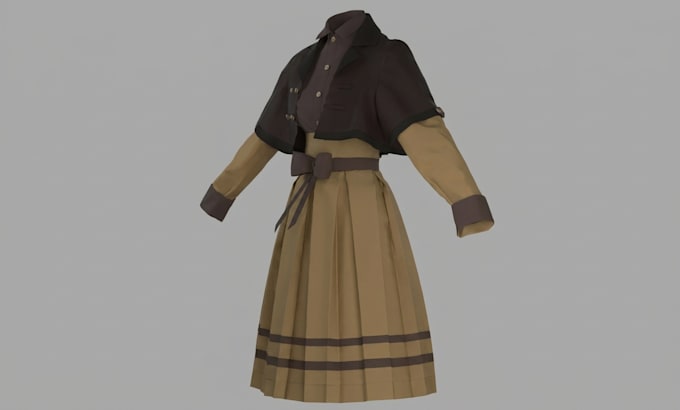
Developed experience in taking clothing ideas from an initial concept through to a clear digital design suitable for review and further product development. Work in this area can involve understanding a client's brief, researching visual references, developing clothing concepts and creating digital garment models that communicate the intended design. Responsibilities may include modelling different types of apparel, refining garment silhouettes, adjusting proportions, selecting suitable materials and producing 3D views that allow a design to be examined from multiple angles. The use of digital clothing models makes it possible to review details and make changes before committing to physical production. The role also develops an understanding of the wider fashion product development process. This can include preparing design presentations, organising garment information, reviewing construction details and communicating design decisions to clients or production teams. Technical knowledge may cover garment measurements, fit considerations, fabric choices, trims, colour variations and the relationship between a digital model and a manufacturable product. Further skills include interpreting feedback, managing multiple design tasks, maintaining consistent quality and presenting concepts professionally. Experience in this type of environment helps build a practical approach to clothing design by combining creativity with technical awareness. It also develops the ability to use 3D visualisation as a tool for improving communication between designers, brands and manufacturers throughout the development of a clothing collection.

3D Clothing Artist and Visualisation Designer
Oculis Studio
May 2019 - May 2021 • 2 yrs
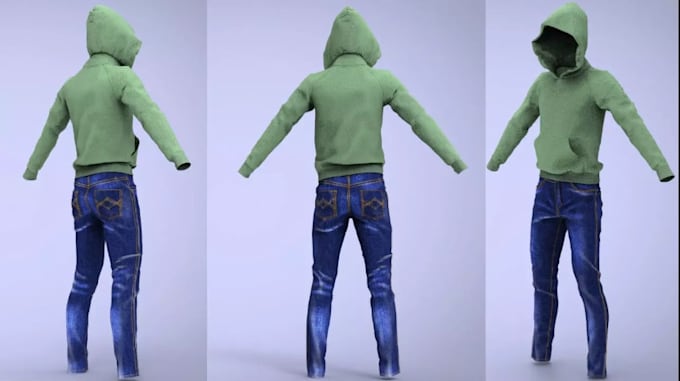
Developed skills in creating digital clothing and presenting garments through high-quality 3D visualisation. Work in this area can involve using pattern-based garment construction to build clothing models with realistic proportions, structure and fit. Responsibilities may include studying garment references, preparing digital patterns, constructing clothing pieces, adjusting seams and garment components, and testing cloth simulation to achieve natural folds and fabric movement. The process requires attention to how different materials respond to gravity, body shape and movement, as well as how garment details appear under different lighting conditions. The work also provides exposure to the wider CGI production process. This can include preparing clothing assets for a 3D scene, arranging materials, refining textures, setting up lighting and cameras, and producing still images or animated sequences. Blender may be used for general 3D scene creation and visual presentation, while other tools may be used for garment construction, simulation, compositing or final editing depending on the project. Further skills include understanding visual direction, working from creative references, keeping models organised and making changes based on feedback. This type of experience strengthens both technical and artistic abilities, especially in creating digital clothing that works as part of a wider visual project rather than simply as an isolated 3D model. It also develops an understanding of how fashion assets can be used in advertising, music visuals, product campaigns and digital storytelling.

3D Garment Designer
SEWN
May 2016 - Aug 2018 • 2 yrs 3 mos
Gained an understanding of how 3D technology can be used to improve clothing design, product development and fashion presentation. Work in this area can involve creating virtual garments, developing digital samples and preparing realistic clothing visuals that allow a brand to review a design before producing a physical sample. Responsibilities may include interpreting sketches and technical references, constructing garments in CLO3D, adjusting patterns, checking garment proportions, applying fabric textures and refining the appearance of materials through simulation. Attention is required when working with details such as seams, stitching, trims, garment openings, folds and fit, because these elements contribute to the accuracy and quality of the final digital sample. Another important area is preparing 3D clothing assets for use across different stages of the fashion process. This can include creating product images, preparing digital presentations, producing visual content for online catalogues and supporting virtual wholesale or e-commerce activities. The experience helps develop an understanding of how digital samples can reduce repeated physical sampling and make communication between designers, brands and manufacturers more efficient. Other skills developed through this type of role include interpreting feedback, making revisions, managing design files, maintaining visual consistency across clothing collections and meeting project deadlines. It also strengthens knowledge of sustainable fashion workflows by showing how digital product development can help reduce unnecessary samples, material use and delays.
